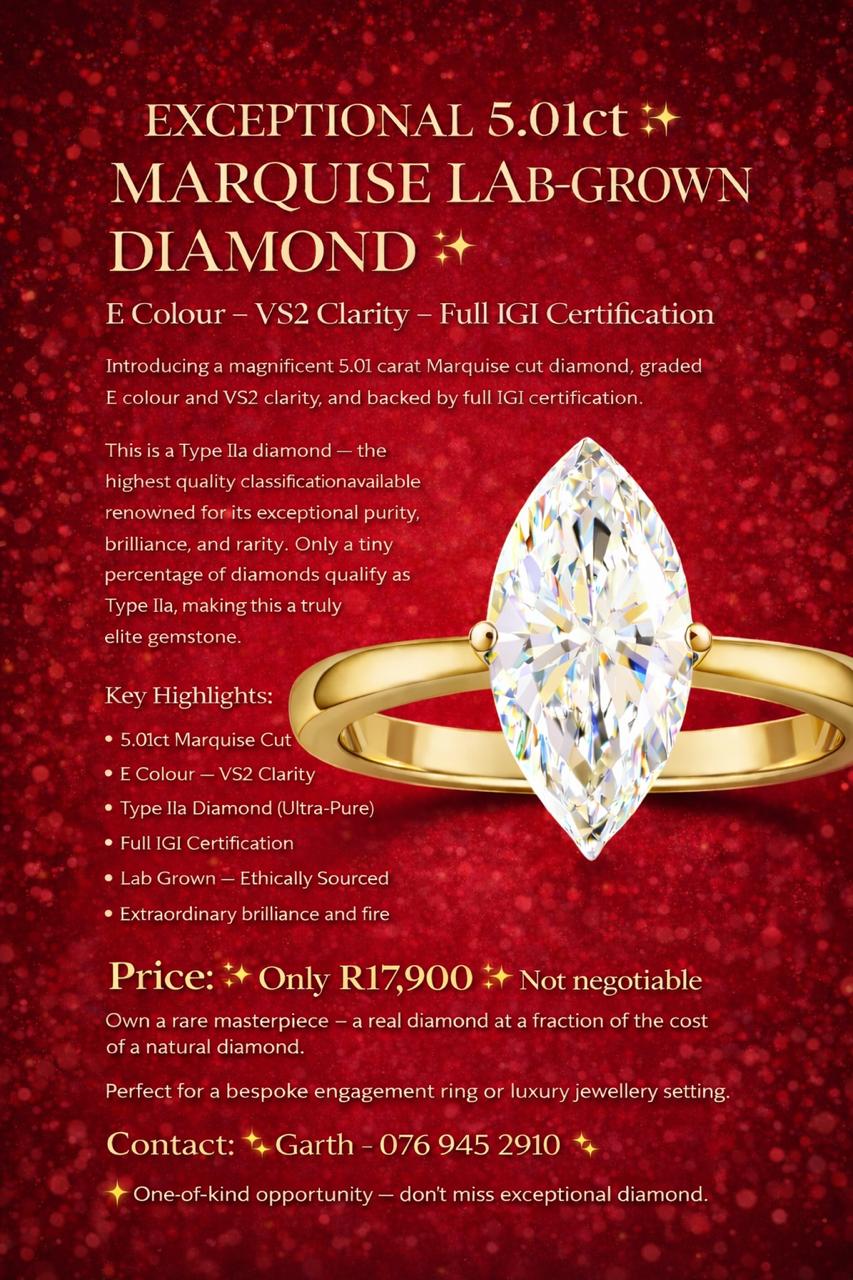
A diamond certificate (also called a grading report) is an independent assessment of a diamond’s quality. It helps you compare diamonds objectively and buy with confidence. Here is how to read each section.
The 4Cs at a glance
Carat: The diamond’s weight. Bigger isn’t always better—cut quality and shape affect visual size.
Cut: Impacts brilliance and sparkle. For Round diamonds, look for Excellent/Ideal.
Colour: Graded D (colourless) to Z (tinted). Near‑colourless (G–H) offers strong value.
Clarity: From Flawless to Included. Aim for eye‑clean (e.g., VS2–SI1 depending on shape).
Certificate fields decoded
Measurements: Dimensions in millimetres. Compare against shape‑specific ideals.
Table % and Depth %: Key to light performance. Balanced proportions yield more fire.
Polish & Symmetry: Excellent/Very Good recommended for crisp facet definition.
Fluorescence: None–Faint is typically safe; Medium–Strong can be a value lever case‑by‑case.
Girdle & Culet: Avoid extremes; medium to slightly thick girdle and none to small culet are typical.
Comments / Inclusions Plot: Shows inclusion types and positions—check eye‑visibility and durability.
Round diamond proportion guide
For Round diamonds, target ranges often associated with excellent light return:
Table: 54% – 58%
Depth: 60% – 62.5%
Crown angle: 34.0° – 35.0°
Pavilion angle: 40.6° – 41.0°
Certification labs
Respected laboratories include GIA and IGI. We help you interpret any report and match it to your style and budget.